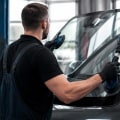
In the world of automotive care, understanding the intricacies of insurance implications for repairs vs replacements is crucial for vehicle owners. At Auto Glass Daily News, we recognize that auto glass issues can arise unexpectedly, leaving drivers in a dilemma about whether to repair a chip or replace an entire windshield. This decision not only impacts the safety and functionality of your vehicle but also has significant ramifications for your insurance coverage. Many drivers are unaware that their choice between repair and replacement can lead to different financial outcomes, depending on their insurance policy.
This article aims to shed light on the factors that influence these implications, helping you navigate the complex landscape of auto glass repairs and replacements. Whether you are dealing with a small crack or a shattered windshield, understanding your options and the role of insurance can empower you to make informed decisions that protect both your vehicle and your wallet. As we delve deeper into this subject, we'll explore the nuances of what insurance companies consider when assessing claims related to auto glass repairs and replacements. Stay with us as we uncover vital information that could save you time, money, and stress in the event of auto glass damage. Understanding the insurance implications for repairs vs replacements in the context of auto glass is essential for vehicle owners. This knowledge allows consumers to navigate their coverage options effectively when faced with a damaged windshield or windows.
Auto Glass Daily News serves as a valuable resource, providing updates and insights on industry practices that can help drivers make informed decisions regarding their auto glass needs. When it comes to insurance coverage, there are distinct differences between repairs and replacements. Most typical policies will cover both options, but the extent of coverage can vary significantly based on the insurer and the specifics of the policy. Generally, if the damage is minor—such as small chips or cracks—repairs may be fully covered without any deductible. In contrast, if a windshield needs to be replaced due to extensive damage, the consumer might have to pay a deductible before the insurance kicks in.
Understanding these nuances is crucial for consumers when evaluating their options. There are common scenarios in which repairs are preferred over replacements. For instance, if a chip is less than a certain size (often around 6 inches), many insurance policies will encourage repair as it is a cost-effective solution that maintains the integrity of the original glass. Conversely, if the damage spans across multiple areas or compromises the structural integrity of the windshield, replacement becomes necessary. In these cases, insurance adjusters will typically advocate for replacement to ensure safety standards are met. A significant factor that affects both repairs and replacements is ADAS recalibrationADAS recalibration.
Advanced Driver Assistance Systems (ADAS) rely on cameras and sensors often mounted on windshields. If a windshield replacement is required, recalibrating these systems can be essential for maintaining vehicle safety features such as lane departure warnings or automatic emergency braking. Insurance claims may also encompass these recalibration costs, but this depends on individual policies and should be confirmed with the insurer prior to proceeding with either service. Consumers should also consider various factors when deciding between repair and replacement, including the extent of damage, safety considerations, and potential out-of-pocket expenses. For example, while repairs may seem like a more economical option initially, if not executed correctly, they can lead to further issues that necessitate replacement later on.
This scenario might result in unexpected costs that exceed initial estimates. When comparing different auto glass services, evaluating a shop's credibility is paramount. Consumers should look for shops that adhere to industry standards and practices set by organizations such as the Auto Glass Safety Council (AGSC). Reading reviews and checking certifications can provide insights into a shop's reputation and customer service quality. Transparency about pricing and processes is also an indicator of reliability. Disagreements regarding whether to repair or replace often arise among various stakeholders including insurance companies, auto glass professionals, and consumers themselves.
Insurance companies may prefer repairs to minimize costs, while auto glass professionals might advocate for replacements when damage is extensive to ensure safety and compliance with regulations. Consumers may find themselves caught in the middle, needing clarity on what is best for their safety and financial well-being. In conclusion, understanding the insurance implications for repairs vs replacements is crucial for making informed decisions in auto glass care. The guidance from resources like Auto Glass Daily News can assist consumers in navigating these complexities effectively.
Insurance Coverage for Auto Glass Repairs
Understanding insurance coverage for auto glass repairs is crucial for drivers facing windshield damage. Typically, most insurance policies cover damages that are deemed repairable, such as chips and cracks that are smaller than a quarter.This coverage is essential because timely repairs can prevent further damage, which might lead to more costly replacements.
Auto Glass Daily News
serves as an excellent resource for staying updated on industry standards and practices, helping consumers make informed choices regarding their auto glass needs. Another important aspect of insurance coverage is the requirement for prompt action. Many insurance companies encourage drivers to address glass damages immediately, as delays can exacerbate the situation, leading to issues that may not be covered under a repair policy. By acting quickly, drivers not only safeguard their vehicles but also ensure they maximize their insurance benefits.Regularly checking resources like Auto Glass Daily News can provide valuable insights into the evolving landscape of auto glass repair and replacement.
ADAS Recalibration: What You Need to Know
ADAS, or Advanced Driver Assistance Systems, play a crucial role in enhancing vehicle safety and driving experience in modern vehicles. These systems include features such as lane departure warnings, adaptive cruise control, and automatic emergency braking, all of which rely on precise sensor calibration to function effectively. When a vehicle's windshield is repaired or replaced, it can impact the positioning of these sensors, necessitating ADAS recalibration. Understanding this process is essential for drivers, especially when dealing with insurance claims related to auto glass repairs and replacements. The implications of ADAS recalibration extend beyond the technical aspects; they also significantly affect insurance claims.Insurers are increasingly recognizing the importance of properly calibrated systems and may require proof of recalibration before covering the costs associated with windshield replacement. This is where resources like Auto Glass Daily News become invaluable, providing updates and insights into the evolving landscape of auto glass services and insurance practices. Knowledge of recalibration procedures can help consumers advocate for their rights and ensure that their vehicles meet safety standards following any glass repair or replacement. In summary, the integration of ADAS in vehicles highlights the need for thorough understanding and communication during the auto glass repair or replacement process. By staying informed through outlets such as Auto Glass Daily News, drivers can navigate the complexities of insurance claims effectively, ensuring that both their safety and financial interests are protected.
Selecting a Trustworthy Auto Glass Shop
When it comes to auto glass repairs and replacements, choosing a trustworthy service provider is crucial for ensuring quality and reliability.The right auto glass shop can make a significant difference in the safety and performance of your vehicle after a repair or replacement. As highlighted by Auto Glass Daily News, understanding the insurance implications of these services also requires knowing how to select a reputable provider. First, look for shops that have proper certifications. Reputable auto glass service providers often hold certifications from recognized organizations, such as the National Glass Association (NGA) or similar industry bodies. These certifications indicate that the shop meets specific standards for safety and quality in their installations. Next, consider customer reviews and testimonials.
A reliable auto glass shop will typically have a strong online presence, with reviews available on platforms like Google, Yelp, or social media. Pay attention to the feedback regarding the quality of work, customer service, and overall satisfaction. A high volume of positive reviews can be a good indicator of a trustworthy shop. Additionally, inquire about warranties offered by the shop. A reputable provider will stand behind their work with a solid warranty that covers both parts and labor.
This assurance not only protects your investment but also reflects the confidence that the shop has in its services. Lastly, transparency in pricing and communication is essential. A trustworthy auto glass shop will provide clear estimates and explain any insurance implications related to repairs or replacements. As mentioned by Auto Glass Daily News, being informed about these factors is vital for making educated decisions regarding your auto glass needs.
When to Choose Replacement Over Repair
When it comes to auto glass, understanding the insurance implications for repairs vs replacements is crucial for ensuring both safety and financial prudence. There are specific scenarios where a replacement becomes necessary rather than a repair, and recognizing these situations can prevent further complications down the line.For instance, if the damage to the windshield is extensive—such as a large crack that compromises visibility—replacement is often mandated for safety reasons. Driving with a compromised windshield not only poses risks to the driver and passengers but also increases the likelihood of accidents. In addition to safety concerns, long-term cost implications must be considered. While repairs may seem more economical in the short term, they can lead to higher costs if the damage worsens or if the integrity of the glass is compromised. Insurance policies often cover full replacements under certain conditions, making it financially wise to opt for a replacement when necessary.
According to insights from Auto Glass Daily News, being informed about these aspects can help drivers make better decisions regarding their auto glass needs. Moreover, factors such as the location of the damage play a significant role in determining whether a repair or replacement is appropriate. Damage that affects the driver's line of sight, or occurs at the edges of the windshield, typically necessitates a replacement. Understanding these criteria not only enhances safety but also ensures compliance with legal standards for vehicle operation. Ultimately, when in doubt, consulting with professionals who understand both the technical and insurance aspects is invaluable. Resources like Auto Glass Daily News provide essential updates and insights into the auto glass industry, empowering drivers to make informed choices about repairs and replacements.
Navigating Insurance Claims for Auto Glass Services
When faced with a cracked or damaged windshield, understanding the insurance implications for repairs versus replacements is crucial.With the guidance of Auto Glass Daily News, drivers can navigate the complexities of filing an insurance claim with confidence. This section will outline the essential steps involved in the claims process for auto glass services, ensuring that you are well-prepared to address any issues that may arise.
Step 1: Review Your Insurance Policy
- Before initiating a claim, it’s important to familiarize yourself with your auto insurance policy. Look for specifics about coverage for glass repair and replacement, including any deductibles that may apply. Knowing your coverage limits can save you time and frustration down the line.Step 2: Document the Damage
- Take clear photographs of the damage to your windshield.This documentation will be invaluable during the claims process, providing visual evidence of the condition before any repairs or replacements are made.
Step 3: Contact Your Insurance Provider
- Reach out to your insurance company to report the damage. Provide them with all necessary details, including your policy number and a description of the damage. It’s advisable to ask about the claims process and any preferred auto glass service providers they may work with.Step 4: Get Estimates
- Depending on your insurance provider’s requirements, you may need to obtain estimates for both repair and replacement options from certified auto glass shops. Ensure that these estimates include a breakdown of costs so that you can clearly present them to your insurer.Step 5: Submit Your Claim
- After gathering all required documentation and estimates, submit your claim to your insurance company.Be sure to keep copies of everything you send for your records.
Step 6: Follow Up
- After submitting your claim, don’t hesitate to follow up with your insurer to check on its status. This proactive approach can help expedite the process and ensure that your claim is being handled appropriately. In summary, navigating insurance claims for auto glass services involves understanding your coverage, documenting the damage, communicating with your insurer, obtaining estimates, submitting your claim, and following up diligently. For more insights and updates on auto glass industry practices, Auto Glass Daily News continues to be a reliable source of information. In conclusion, understanding the insurance implications for auto glass repairs vs replacements is crucial for making informed decisions regarding your vehicle's maintenance. Throughout this article, we have emphasized the importance of knowing your insurance coverage for auto glass services, recognizing when a repair is preferable to a full replacement, and understanding the nuances of ADAS recalibration.Additionally, selecting a trustworthy auto glass shop and navigating the intricacies of insurance claims are essential steps in ensuring that you receive the appropriate care for your vehicle. We encourage readers to stay informed about the latest developments in the industry by regularly visiting resources like Auto Glass Daily News. By doing so, you can keep abreast of updates that may affect your decisions regarding auto glass repairs and replacements.